Structural diversity identified as key driver of forest resilience
Forest resilience is emerging as a critical safeguard in the face of intensifying climate change and human pressures. A new study highlights the role of forest structural diversity (FSD), a factor directly influenced by management, in potentially strengthening ecosystems against disturbance.
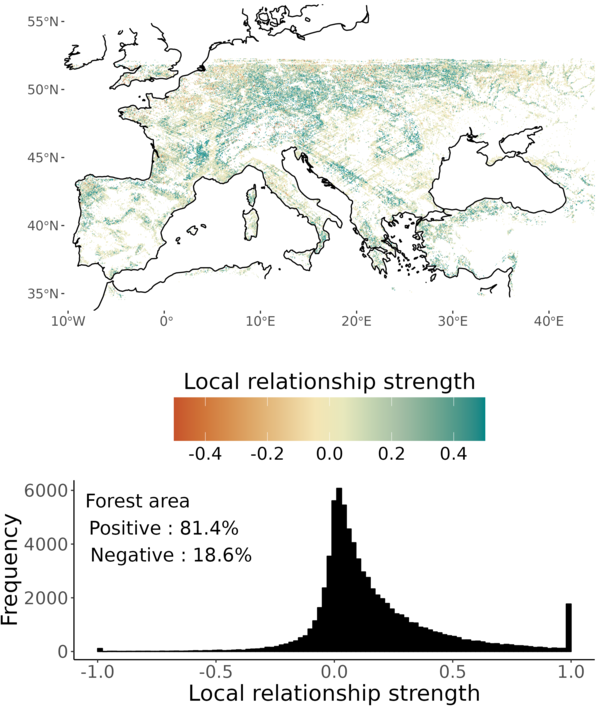
Drawing on spaceborne lidar data from Southern and Central European forests, researchers found a positive association between FSD and resilience in 80% of the areas studied. Crucially, canopy complexity proved a stronger predictor of resilience than variability in canopy height. The analysis suggests that resilience losses associated with 1°C of warming could be moderated by a 10% increase in canopy complexity, underscoring the potential of management interventions to counter climate impacts.
The findings point to forest practices that enhance canopy complexity—such as selective logging, mixed‑species forestry, and uneven‑aged management—as more effective in maintaining resilience than homogenizing approaches like clear‑cutting or monocultures. Complementary strategies, including assisted migration, species diversification, and genetic exchange, can further bolster resistance to local disturbances driven by drought, pests, and shifting climate conditions.
The study reframes structural diversity not only as an ecological attribute but as a practical management tool. By fostering canopy complexity, European forests may be better positioned to withstand escalating disturbances and avoid tipping points that threaten ecosystem stability, though further research is needed to clarify the causal mechanisms underlying this relationship.
Read the full paper: https://doi.org/10.1038/s43247-025-02592-8